
Testing Robin Red® - a formulation case study


Formulation approach
The bait was intentionally designed without typical “food” signals:
- No fishmeal, milk proteins or liver
- No savoury or meaty flavour profiles
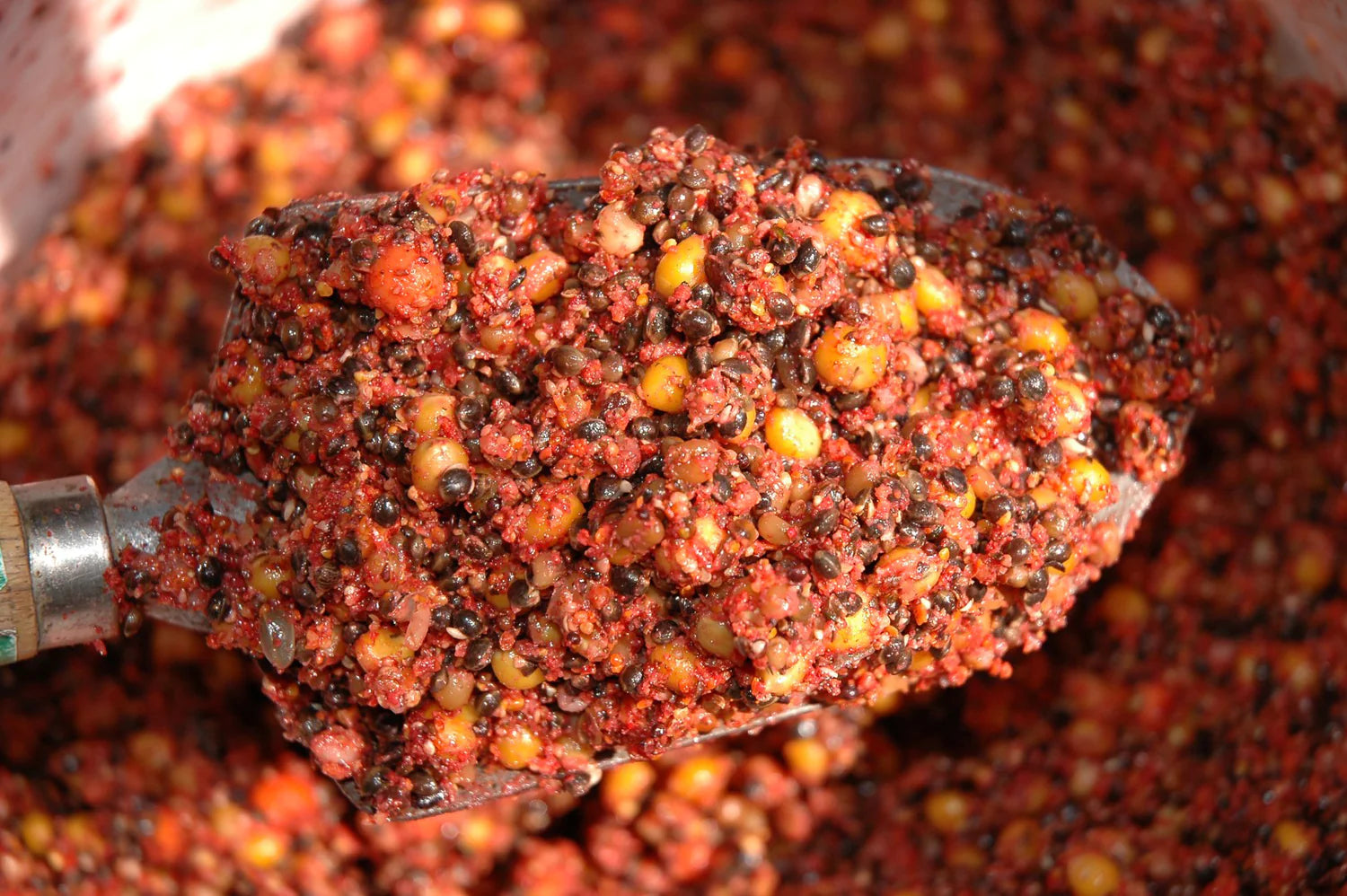
- High coarse birdfood content (Red Factor)
- Robin Red included at 10%
- Strong fruit flavour and high sweetener
This created a fast-leaking, high-signal bait based on sensory attraction rather than nutrition.


Results

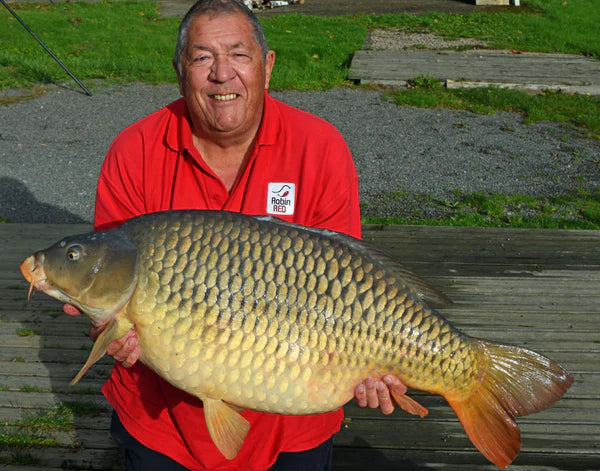
Despite the intention to avoid catfish, the bait proved highly attractive to them - demonstrating that Robin Red’s appeal is not species-specific and does not rely on fishmeal or protein content. It acts
primarily as a sensory trigger, driven by colour, aroma, spice compounds and taste.
By fishing mainly during daylight hours, carp were still successfully caught, confirming that Robin Red remains effective as a carp attractor even in low-nutrient, minimalist bait designs.
Key takeaways for bait manufacturers
- Robin Red is a powerful sensory attractor, not just a nutritional ingredient
- It performs strongly across boilies, pellets, groundbait and paste
- It integrates well with sweet and fruit profiles
- High inclusion rates create a dominant, fast-acting signal